
Autor/-in: Eugen Rosenstock-Huessy
Eugen Rosenstock-Huessy (1888-1973) was a sociologist and social philosopher who, along with his close friend Franz Rosenzweig, and Ferdinand Ebner and Martin Buber, was a major exponent of speech thinking or dialogicism. The central insight of speech thinking is that speech or language is not merely, or even primarily, a descriptive act, but a responsive and creative act, which is the basis of our social existence. The greater part of Rosenstock-Huessy's work was devoted to demonstrating how speech/language, through its unpredictable fecundity, expands our powers and, through its inescapably historical forming character, also binds them. Born in Berlin, Germany into a non-observant Jewish family, he converted to Christianity in his late teens. He met and married Margrit Hussy in 1914. Rosenstock-Huessy served as an officer in the German army during World War I. He then pursued an academic career in Germany as a specialist in medieval law, which was disrupted by the rise of Nazism. In 1933, after Adolf Hitler became Chancellor of Germany, he immigrated to the United States where he began a new academic career, initially at Harvard University and then at Dartmouth College, where he taught from 1935 to 1957.
Hier finden Sie zu den besten Preisen alle Bücher, eBooks und Hörbücher von Eugen Rosenstock-Huessy.
Bestellungen bis 15:00 Uhr für Produkte auf Lager erhalten Sie - ohne Versandgebühr - am nächsten Werktag.
1
Meistgekauft
Buch (Softcover): Fachbuch

Erhältlich:
Nicht auf Lager
Der unbezahlbare Mensch
CHF 34.40
2
Meistgekauft
Buch (Softcover): Sachbuch
Lieferdatum: Unbekannt
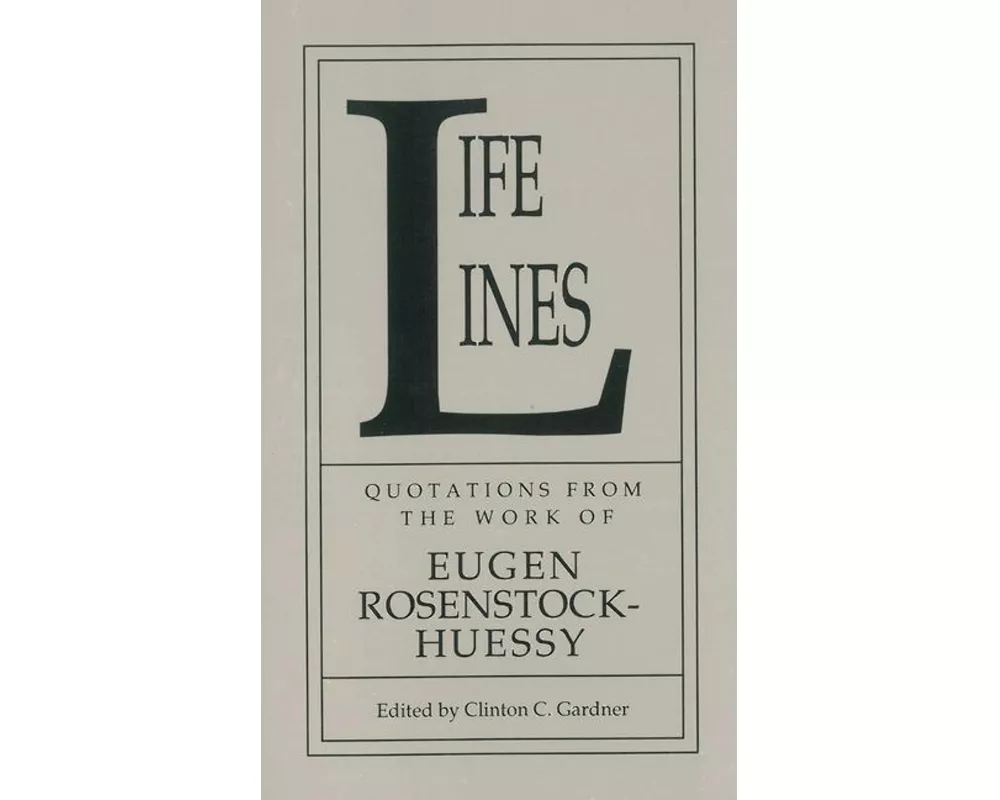
Life Lines: Quotations from the Work of Eugen Rosenstock-Huessy
CHF 26.39
3
Meistgekauft
Buch (Softcover): Fachbuch
Erhältlich:
Nicht auf Lager
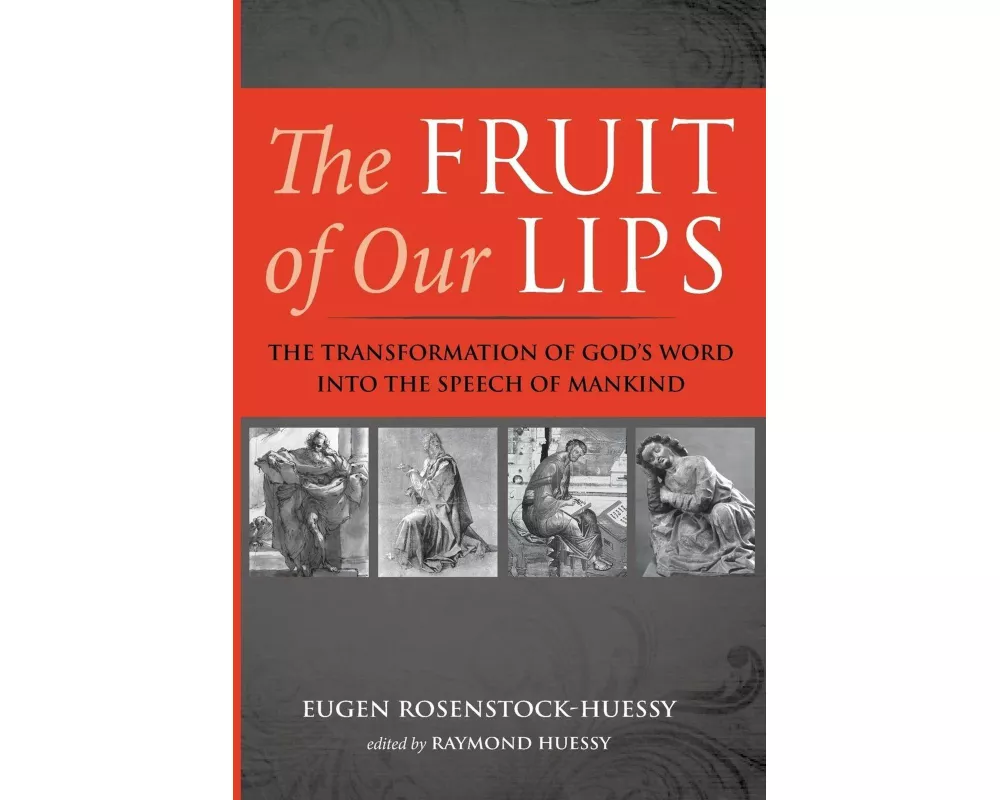
The Fruit of Our Lips
CHF 59.–
4
Buch (Hardcover): Fachbuch
Erhältlich:
Nicht auf Lager
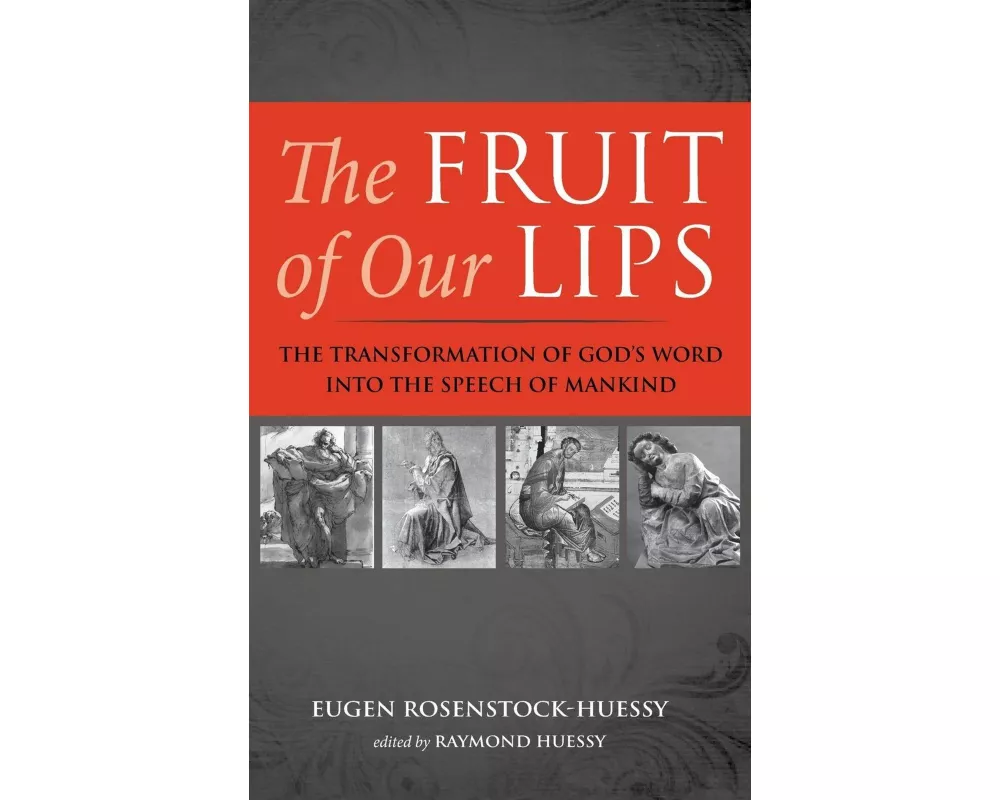
The Fruit of Our Lips
CHF 75.50
5
Buch (Hardcover): Fachbuch

Erhältlich:
Nicht auf Lager
Time Bettering Days and Other Essays
-1.6 %
CHF 60.–
6
Buch (Softcover): Fachbuch
Erhältlich:
Nicht auf Lager
Time Bettering Days and Other Essays
CHF 47.25