
Erhältlich:Nicht auf LagerBuch (Hardcover): Fachbuch
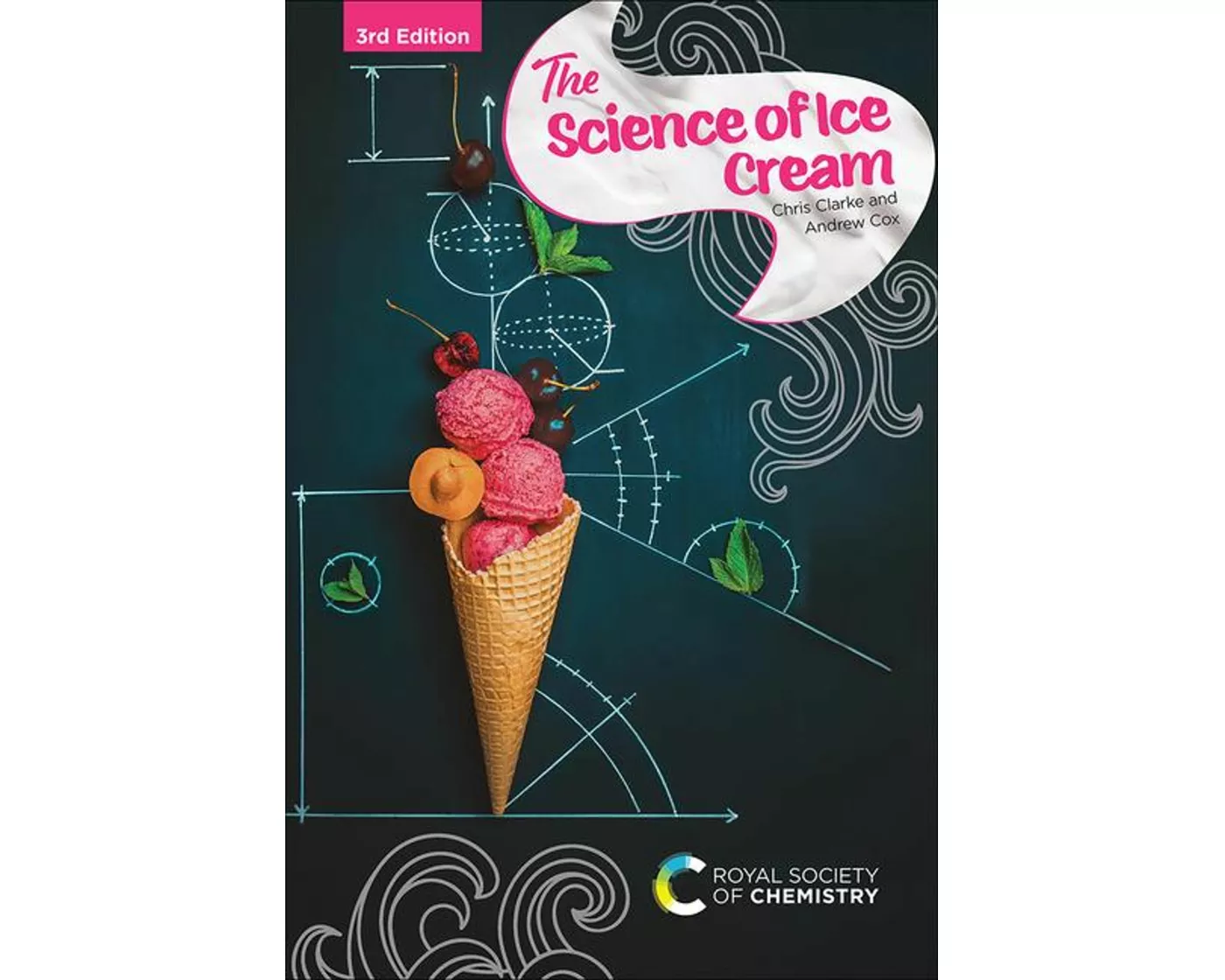
Science of Ice Cream
von Chris Clarke, Andrew Cox
- Unsere Artikel-Nr.
- YG6Z893
Beschreibung
Ice cream as we recognize it today has been in existence for at least 300 years, though its origins probably go much further back in time. Before the development of refrigeration, ice cream was a luxury reserved for special occasions but its advance to commercial manufacture was helped by the first ice cream making machine patented by Nancy Johnson in Philadelphia in the 1840s. The third edition of The Science of Ice Cream has been fully revised and updated with new material. The book still begins with the history of ice cream, subsequent chapters looking at the link between the microscopic and macroscopic properties and how these relate to the ultimate texture of the product you eat. A new chapter on non-dairy ice cream has been added and the book is completed with some suggestions for experiments relating to ice cream and how to make it at home or in a school laboratory. The book has authenticity and immediacy, with a new co-author who is an active industrial practitioner, and is ideal for undergraduate food science students as well as those working in the food industry. It is also accessible to the general reader with a basic knowledge of science and provides teachers with ideas for using ice cream to illustrate scientific principles.
Spezifikationen
| Sprache | Englisch |
|---|---|
| Autor | Chris Clarke, Andrew Cox |
| Erscheinungsjahr | 2024 |
| Format | Buch (Hardcover) |
| Anzahl Seiten | 270 |
Bewertungen
Produkt bewertenFür dieses Produkt liegt noch keine Bewertung vor. Wenn Sie es gekauft haben, teilen Sie gerne Ihre Erfahrung.
Zahlungsarten


Rechnung (Einzahlungsschein mit QR-Code), Twint, Kreditkarte, PostFinance, Apple, Google oder Samsung Pay.
Versand
Kostenlos: Schweiz & Liechtenstein
Rückgabe
Kein Rückgaberecht
Bei diesem Produkt hat entweder der Hersteller/Verlag das Rückgaberecht ausgeschlossen oder eine Rückgabe ist aufgrund des Vertriebssystems nicht möglich.